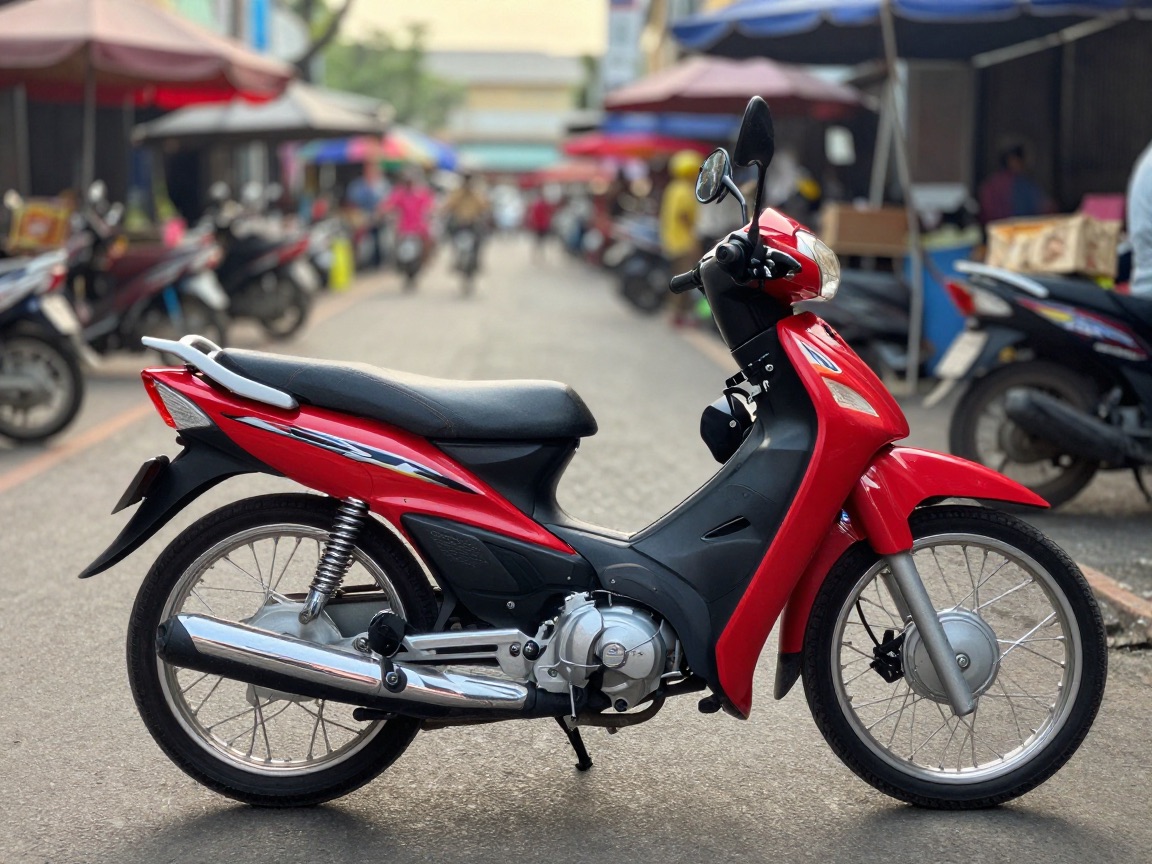
Electric two-wheelers are the fastest-growing line in most of the markets we serve, and the container that goes wrong most often. The bikes are simple; the paperwork around the battery is not. This guide is what we walk every first-time e-moto buyer through before we quote.
1. Classification decides registration and duty
Most countries classify electric two-wheelers by continuous motor power and top speed, not by engine size. Typical bands:
| Class (common pattern) | Motor / speed | Usual treatment |
|---|---|---|
| E-bike / low-speed scooter | ≤ 0.5–1 kW, ≤ 25–45 km/h | Often no registration, sometimes no licence; check local rules |
| Electric moped | 1–4 kW, ≤ 45–50 km/h | Moped class registration and plate |
| Electric motorcycle | > 4 kW or > 50 km/h | Motorcycle registration, insurance, licence |
Customs classification is usually HS 8711.60 (electric motorcycles), separate from petrol bikes; some countries apply a lower duty or a VAT exemption to encourage e-mobility. The country profiles note where that is the case. Confirm the exact treatment before you choose a model, because a 3 kW model that lands as a moped and a 4.5 kW model that lands as a motorcycle can have very different paperwork.
2. Battery chemistry: what you are really buying
| Lead-acid (AGM/gel) | LFP (LiFePO4) | NMC / NCM lithium | |
|---|---|---|---|
| Typical use | Budget scooters, US$500–700 FOB | Delivery fleets, swappable packs | Performance e-motos |
| Cycle life | 300–500 | 2,000+ | 800–1,500 |
| Weight for 2 kWh | ≈ 60 kg | ≈ 18 kg | ≈ 12 kg |
| Shipping | Simple; non-spillable rules | UN38.3 + MSDS + DG declaration | Same, higher scrutiny |
| Thermal risk | Low | Low | Moderate; BMS quality matters |
Lead-acid still makes sense where the customer buys on price and rides short distances. For anything sold to a delivery fleet, LFP with a removable pack is the product the market is moving to, and the one whose factory paperwork you need to check hardest.
3. The three documents you must have before loading
- UN38.3 test summary for each battery pack model, from an accredited lab, matching the pack’s model number and capacity printed on the label.
- MSDS / SDS (safety data sheet) for the cells, in English, with the shipper’s name.
- Dangerous-goods declaration prepared by the shipper (us) for the carrier, stating UN3171, packing instruction and net battery quantity per container.
Some carriers also ask for a battery installed/uninstalled statement and photos of the packing. We have the routine; a factory that has never exported lithium does not, and it shows in the delays.
4. How dangerous-goods shipping changes your freight
Expect a DG surcharge of a few hundred dollars per container, a longer booking lead time (DG approval takes days), stowage restrictions that may push you to the next sailing, and a rule at some ports that DG containers cannot dwell in the terminal. Budget one extra week and US$300–600 on the freight line. Mixing e-motos into a container with petrol bikes is allowed, but the whole box is then a DG box.
5. Chargers, plugs and voltage
Specify at order: input voltage and frequency (110–120 V/60 Hz or 220–240 V/50 Hz), plug type (A/B, C/F, G, I, L), charger rating (a 2 kWh pack on a 5 A charger is an overnight product; fleets want 10–15 A), and whether the charger is on-board or external. Ask for spare chargers in the order; they are cheap in Chongqing and the first thing to fail from bad mains power.
6. BMS and warranty realities
The battery management system decides whether the pack lasts. Ask for: cell brand and grade, BMS balancing type, low-temperature charge cut-off, over-discharge lock-out behaviour (and how to wake a locked pack, which is the top “dead bike” call we get), and whether the BMS can be read by a dealer tool. Warranty on packs is typically 12 months; cycle-based warranties exist for LFP. Get the pack warranty in the purchase order separately from the vehicle warranty.
7. Eight questions to ask the factory before you order
- Send the UN38.3 summary and MSDS for this pack model.
- Which cell brand, and is it the same cells across the batch?
- Continuous vs peak motor power, and the top speed as it leaves the factory.
- Charger input voltage, plug, and rating; spare charger price.
- Range test method (rider weight, speed, terrain), not the brochure number.
- IP rating of the pack and controller.
- Pack warranty terms and how a claim is evidenced.
- Can the pack be shipped installed, or must it travel separately?
FAQ
Do electric motorcycles ship as dangerous goods?
Vehicles powered by lithium batteries ship under UN3171 (battery-powered vehicle) and are regulated by the IMDG Code. In practice most carriers accept them in standard containers with a dangerous-goods declaration, the UN38.3 test summary and an MSDS; some lines surcharge or restrict stowage. Lead-acid e-motos ship under UN2800 or as non-restricted when batteries are non-spillable and installed.
What is a UN38.3 test report?
A test summary showing the battery pack has passed the UN Manual of Tests and Criteria section 38.3 (altitude, thermal, vibration, shock, external short circuit, impact, overcharge, forced discharge). Carriers and many customs authorities require it for lithium batteries. A serious factory has it per pack model; a factory that cannot produce it should not be shipping lithium.
Can I get chargers for my voltage?
Yes. Chargers are specified at order time: 110–120 V / 60 Hz for Central America, the Caribbean, Colombia, Ecuador, Peru, Bolivia (mostly), 220–240 V / 50 Hz for Chile, Argentina, the GCC and Africa. Plug type is also specified. Ordering the wrong charger is the most common e-moto mistake we see.
How long do the batteries last?
Lead-acid packs: typically 300–500 cycles, about a year of daily delivery use. LFP: 2,000+ cycles, several years. NMC: 800–1,500 cycles with higher energy density. Warranty on lithium packs is usually 12 months or a cycle count from the cell supplier; ask for the cell brand and the BMS spec in writing.
Sources
Yangtze Moto is an independent export company based in Chongqing. We are not a manufacturer and are not affiliated with or endorsed by any motorcycle brand mentioned for reference, including ZXMOTO (Zhang Xue Moto), KOVE, VOGE, Zongshen, Loncin, Lifan and KEWS. All trademarks belong to their respective owners. FOB bands are indicative market figures observed in supplier quotations (July–September 2026); allocation-based models carry no published export price. Every order is quoted line by line before you commit.
← All guides · Buyer’s hub · Templates